Florida’s native flora includes all plant species native to Florida. A native plant is defined as a plant species that is presumed to have been present in Florida before Europeans arrived. Through regulation by the Florida Department of Agriculture and Consumer Services (FDACS), Florida protects those plant species native to the state that are endangered, threatened or commercially exploited. The state also encourages the propagation of endangered species and provides means to legally collect these species for propagation. Harvesting from the wild requires a permit from FDACS.
A permit helps to limit overharvesting of regulated plant populations. See our Native Plant Harvesting Permit page for information.
Some definitions:
- “Endangered plants” means species of plants native to Florida that are in imminent danger of extinction within the state, the survival of which is unlikely if the causes of a decline in the number of plants continue, and includes all species listed as endangered by the state of Florida Rule 5B-40 or endangered by the federal Endangered Species Act of 1973, as amended.
- “Threatened plants” means species native to the state that are in rapid decline in the number of plants within the state, but which have not decreased so much as to cause them to be endangered.
- “Commercially exploited plants” means species native to the state that are subject to being removed in significant numbers from native habitats in the state and sold or transported for sale.
- “Florida Regulated Plant Index” includes all plants listed on the Endangered Plant List, the Threatened Plant List, and the Commercially Exploited Plant List. These plants are referred to as regulated, and together, these lists are known as the Florida Regulated Plant Index.
Florida's Protected Plants
The list of Florida’s native plants that are most in need of conservation efforts includes 448 endangered, 118 threatened and nine commercially exploited species. Fifty-four of these species are on the federal list of endangered plant species and 14 are on the federal list of threatened species.
See Rule 5B-40, Florida Administrative Code, for current guidelines and the official list of protected plants (i.e., the Florida Regulated Plant Index).
How Are Species Added to Florida’s Lists of Endangered and Threatened Plants?
The Florida Endangered Plant Advisory Council (EPAC) reviews these lists each year to make needed changes. Information is collected systematically about species thought to be in need of protection.
- Current Lists of Florida Endangered and Threatened Plants
-
Explanation of Ranking System
[
 138.2 kB
]
138.2 kB
]
-
Rankings of Florida Endangered and Threatened Plant Species
[
 180.9 kB
]
180.9 kB
]
- FDACS Form 08422: Ranking System for Plant Species of Potential Special Concern [ Adobe PDF Document ]
-
2010 Notes on Florida's Endangered and Threatened Plants
[
8.6 MB
]
Photo Gallery
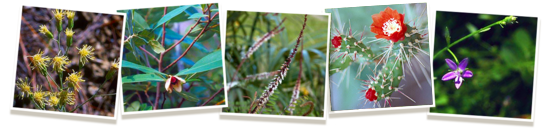
See photos of plants on the Federal Endangered Species List found in Florida.
Distribution of Species
Where are species on the Florida Regulated Plant Index geographically located? The websites below maintain information about distributions of plant species, including regulated plants: