Aquatic plants are a popular commodity in Florida. Many are produced in-state, primarily in the central and southern regions, for the aquarium, water gardening, wetland restoration, biofuels and food markets.
Ornamental Plants
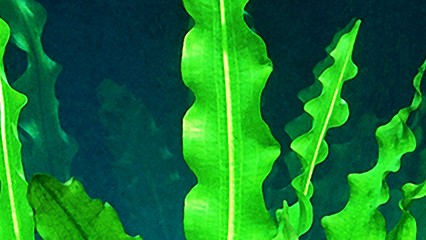
Common types of freshwater aquarium plants include Anacharis, Camboma, Aponogeton, Anubias, Cryptocoryne, Egeria densa, Echinodorus and Vallisneria. They are available bunched, bare-root or potted, depending on growth characteristics and value.
Marine aquarium plant production includes plants such as Caulerpa, Chaetomorpha and Gracilaria, primarily for saltwater refugiums.
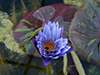
Aquatic plants are an essential component in ponds and water features and include popular species such as water lilies, lotuses, cannas, irises and taro.
Restoration Plants
Another industry for aquatic plants in Florida is the restoration market. Aquatic plants can be used by ecologists, engineers and other professionals to restore damaged wetlands or create water storage filtration areas for stormwater runoff. Restoration species include both fresh and saltwater plants such as cattail, bulrush, native lily, pickerelweed, seagrasses and mangroves.
Licensing and Permitting
If you are interested in starting a nursery or farm in Florida for commercial production and sale of aquatic plants, you must apply for an Aquaculture Certificate of Registration and a Certificate of Nursery Registration.
You must also comply with
Aquaculture Best Management Practices
[
 960.9 kB
]
(BMPs). The Florida Department of Agriculture and Consumer Services (FDACS) reviews all aquaculture activities to ensure compliance with the BMPs.
960.9 kB
]
(BMPs). The Florida Department of Agriculture and Consumer Services (FDACS) reviews all aquaculture activities to ensure compliance with the BMPs.
Prohibited Plants
FDACS regulates the horticulture sector that propagates plants for resale, overseeing the import and export of nonnative species and movement of pests. The purpose of this oversight is to prevent the introduction and spread of nuisance plants, pests or diseases that may negatively impact Florida's native plants and ecosystems.
Aquatic species that have been demonstrated to disrupt waterways or negatively impact Florida ecosystems are defined as “prohibited" aquatic species.
There are two classes of prohibited aquatic plants in Florida:
- Class I plants are not permitted for possession, collection, transportation, cultivation and importation except as provided in Rule 5B-64.011, F.A.C.
- Class II plants may be cultured in an aquatic plant nursery for sale out of state, and only with approval by FDACS.
See a list of all Class I and Class II Prohibited Aquatic Plants.
Learn more about Class II Aquatic Plant Permits.
Wild Collection of Aquatic Plants
For licensing information regarding the wild collection of non-prohibited aquatic plants, visit FDACS's Aquatic Plant Permit Information page.
For licensing information regarding the wild collection of marine plants, visit the Florida Fish and Wildlife Conservation Commission's website.
Food Permits
If you plan to sell your aquatic plant products for human consumption, a Food Permit may be required.
Technical Assistance
For technical assistance concerning water garden, aquarium and wetland plants, including biology, propagation, culture methods and growth requirements, contact the University of Florida’s Fort Lauderdale Research and Education Center Aquatic and Wetland Plants Laboratory at (954) 577-6331.
For habitat restoration aquaculture assistance, contact the Florida Aquarium’s Center for Conservation in Apollo Beach at (813) 419-4917.