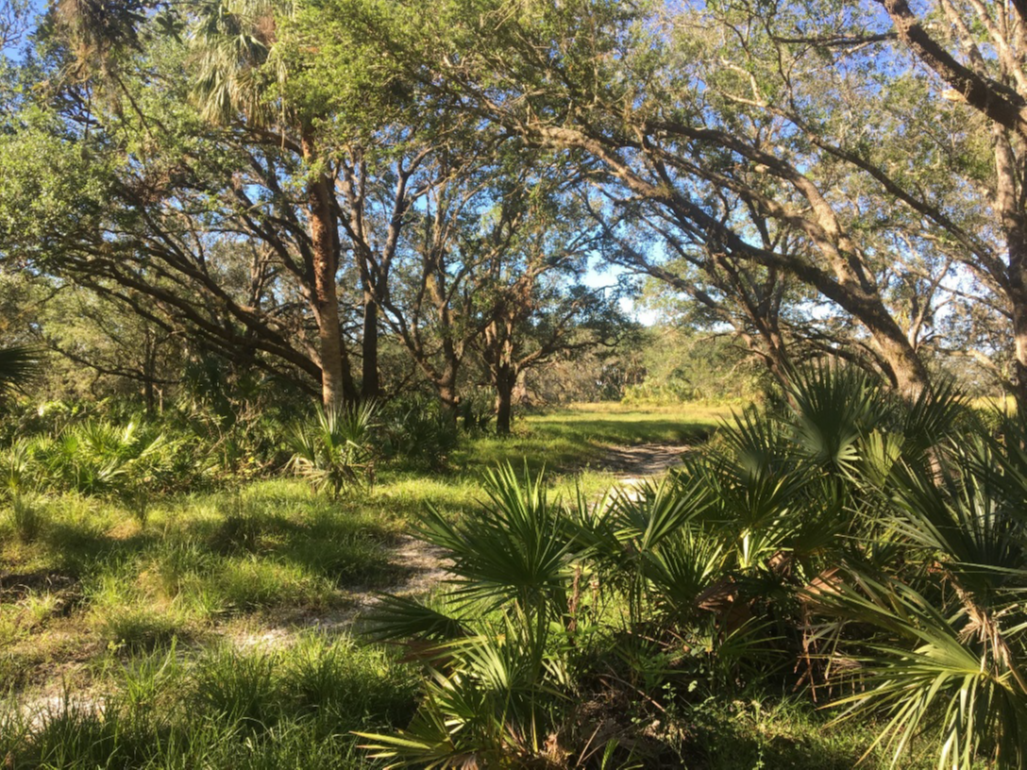
Bar Rocking C Ranch in Highlands County
TALLAHASSEE, Fla. — Today, Florida Commissioner of Agriculture Wilton Simpson announced the preservation of more Florida farmland through the Florida Department of Agriculture and Consumer Services’ Rural and Family Lands Protection Program. Bar Rocking C Ranch, a 1,070-acre cattle operation in Highlands County, is being preserved through a rural lands protection easement for $4,300,000.
“We’re proud to announce today another partnership to permanently preserve a working Florida ranch through the Rural and Family Lands Protection Program,” said Commissioner Wilton Simpson. “Safeguarding our state and nation’s food security while also preserving Florida’s invaluable natural resources through the Rural and Family Lands Protection Program has been one of my top priorities as Commissioner of Agriculture. In less than two years, we’ve nearly doubled the total land preserved by this program — and we are not slowing down.”
The Rural and Family Lands Protection Program purchases the development rights to the agricultural properties through voluntary rural lands protection easements, which prevent the future development of the land and allow agriculture operations to continue to contribute to Florida’s economy and the production of food, timber, and other resources vital to the prosperity of Florida.
Bar Rocking C Ranch
Bar Rocking C Ranch is a cattle ranch in western Highlands County, approximately 8.3 miles southwest of Sebring and 7 miles northwest of Lake Placid. The eastern half of the property is within the watershed of Fisheating Creek which is part of the Northern Everglades and Estuaries Protection Program. The western side of the property falls within the Charlotte Harbor National Estuary Program boundary. The entire property is within the Florida Wildlife Corridor. The ranch is owned and operated by the Conerly family, who are third and fourth-generation cow/calf and citrus producers.
About the Rural and Family Lands Protection Program
Established in 2001 with the passage of the Rural and Family Lands Protection Act, the program recognizes that working agricultural lands are essential to Florida's economic future. Agricultural lands are being increasingly threatened by urban development. To counter this trend, the Rural and Family Lands Protection Program partners with farmers and ranchers to ensure sustainable production practices while protecting natural resources. Since its inception, the program has permanently preserved more than 125,000 acres, with nearly 60,000 acres acquired during Commissioner Simpson’s administration.
During the 2024 Legislative Session, Commissioner Simpson helped to secure a $100 million legislative appropriation for the Rural and Family Lands Protection Program and another $100 million each fiscal year, appropriated in SB 1638, to support the Florida Wildlife Corridor, including the acquisition of rural lands protection easements under the Rural and Family Lands Protection Program.
Commissioner Simpson has been involved in Florida’s land conservation policy issues long before becoming Florida’s Commissioner of Agriculture. As Senate President, Commissioner Simpson championed the successful passage of the Florida Wildlife Corridor Act, which directed the state of Florida to better protect and connect Florida’s natural areas and wildlife habitats and to preserve working agricultural lands from future development. As Senate President, Commissioner Simpson also secured a $300 million legislative appropriation for the Rural and Family Lands Protection Program.
A story map of all completed Rural and Family Lands Protection Program projects can be viewed here: FDACS.gov/RFLPPMap.
For more information about Commissioner Simpson and the Florida Department of Agriculture and Consumer Services, visit FDACS.gov.
###