FDACS has identified practices that growers, beekeepers and pesticide applicators can adopt to protect both crops and honey bee colonies.
Bees, wasps, butterflies, moths, flies and beetles all contribute to pollination of plants throughout Florida. Of these groups, there are over 300 species of bees that assist in the pollination of Florida's ecosystem and agricultural commodities.
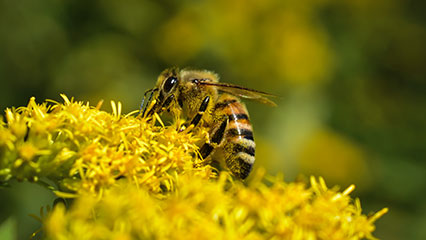
One of these pollinators, the European (western) honey bee (Apis mellifera) contributes greatly to agriculture crop pollination throughout the country. Promoting bee health and protecting crops are both important to the success of Florida agriculture. As such, the Florida Department of Agriculture and Consumer Services (FDACS) has identified practices that growers, beekeepers and pesticide applicators can adopt to protect both crops and honey bee colonies. Over the past decade, increasing attention has been paid to a variety of stressors that may negatively impact bees, to include habitat loss, lack of forage, pests, diseases, risks of pesticide exposure, etc.
In recognition of these challenges, the FDACS Division of Agricultural Environmental Services’ Pollinator Protection Program seeks to mitigate pesticide risks and support pollinator health for all Florida stakeholders. This program focuses on different aspects of communication and education to further the protection of pollinators.
For more specific information regarding pollinator protection, browse through the following FDACS webpages:
Growers:
Beekeepers: